
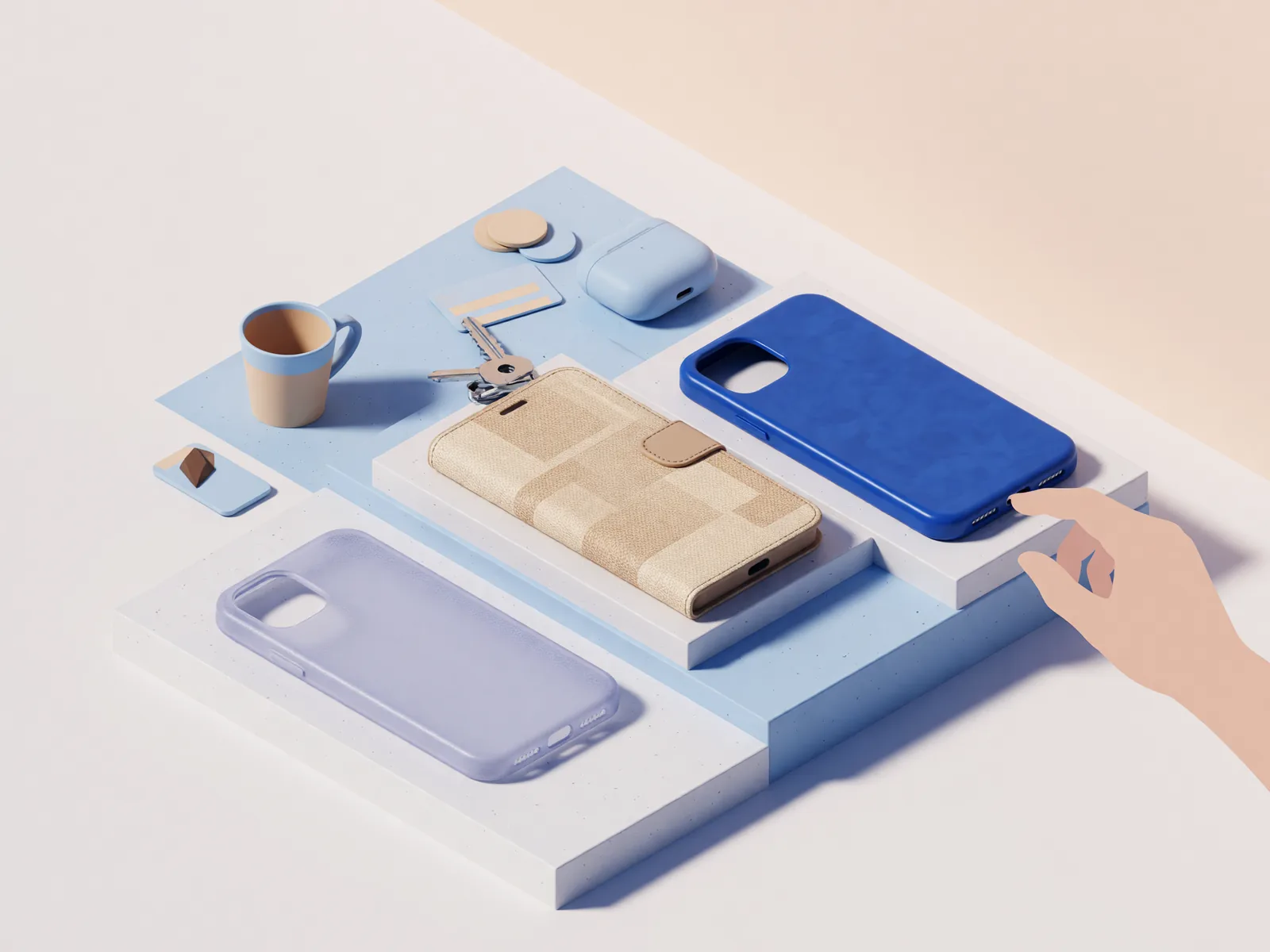
Picking the best phone case material comes down to how you actually use your phone, not a single universal winner. Drop height, grip needs, wireless charging habits and how long you want the case to look fresh all change the answer. Hybrid builds that pair a rigid outer shell with a flexible inner layer consistently give most people the strongest balance of protection and practicality.
Phone case materials at a glance
Modern phone case materials each handle impact energy in different ways. Soft elastomers bend and cushion. Rigid plastics and fibers spread force sideways so the phone itself takes less shock. Knowing the basic cast helps you skip marketing fluff and match the material to your risks.
Common options include thermoplastic polyurethane, silicone, polycarbonate, aramid fiber, leather and various hybrids. Carbon fiber looks premium but can interfere with signals because it conducts electricity. Thickness alone never tells the full story. A thin aramid shell can outperform a thick single-layer soft case when the force is distributed correctly.

What is TPU phone case construction
A tpu phone case uses thermoplastic polyurethane, a flexible elastomer that deforms on impact. That bending dissipates kinetic energy instead of letting it slam straight into the phone. Corners, the most common failure point in waist-height drops onto concrete, get especially good cushioning from TPU.
TPU also gives solid everyday grip and works well in clear or colored finishes. The trade-off is longevity. UV light and heat cause yellowing that usually becomes visible in three to six months on clear versions, though anti-yellowing additives slow the process. Heat retention is another mild drawback during heavy use or hot weather. Still, when people ask what is tpu phone case material, the short answer is reliable shock absorption at a friendly price, especially when it is paired with a harder outer layer.
TPU vs silicone phone case: the real differences
The tpu vs silicone phone case debate comes up constantly because both feel soft and grippy at first touch. Silicone phone case options start with excellent friction, which helps in wet hands or slippery environments. They absorb light bumps well. Over time, though, silicone attracts lint, can tear more easily and loses structural integrity faster than TPU.
Silicone vs tpu phone case comparisons usually favor TPU for longer-term durability and better corner protection. TPU or silicone which is better for phone case use depends on priority. Choose silicone if pure initial grip is everything and you plan to replace the case often. Choose TPU when you want the soft layer to keep working after months of pocket time and temperature swings. Many buyers settle the silicone vs tpu phone case question by going hybrid so they get the grip of the soft material plus the shape retention of a hard shell.
Here is a quick side-by-side checklist:
- Drop cushioning: TPU edges ahead on repeated impacts
- Grip feel: silicone wins on day one
- Yellowing and lint: TPU holds up cleaner longer
- Structural support: TPU maintains shape better
- Price and availability: both sit in the affordable range
- Best paired with: rigid outer layer for either material
If you want a straightforward silicone shockproof option that also handles MagSafe, the SuydanBox magnetic case delivers full camera protection and a built-in screen protector at a low price.
Why polycarbonate phone case shells pair well with softer layers
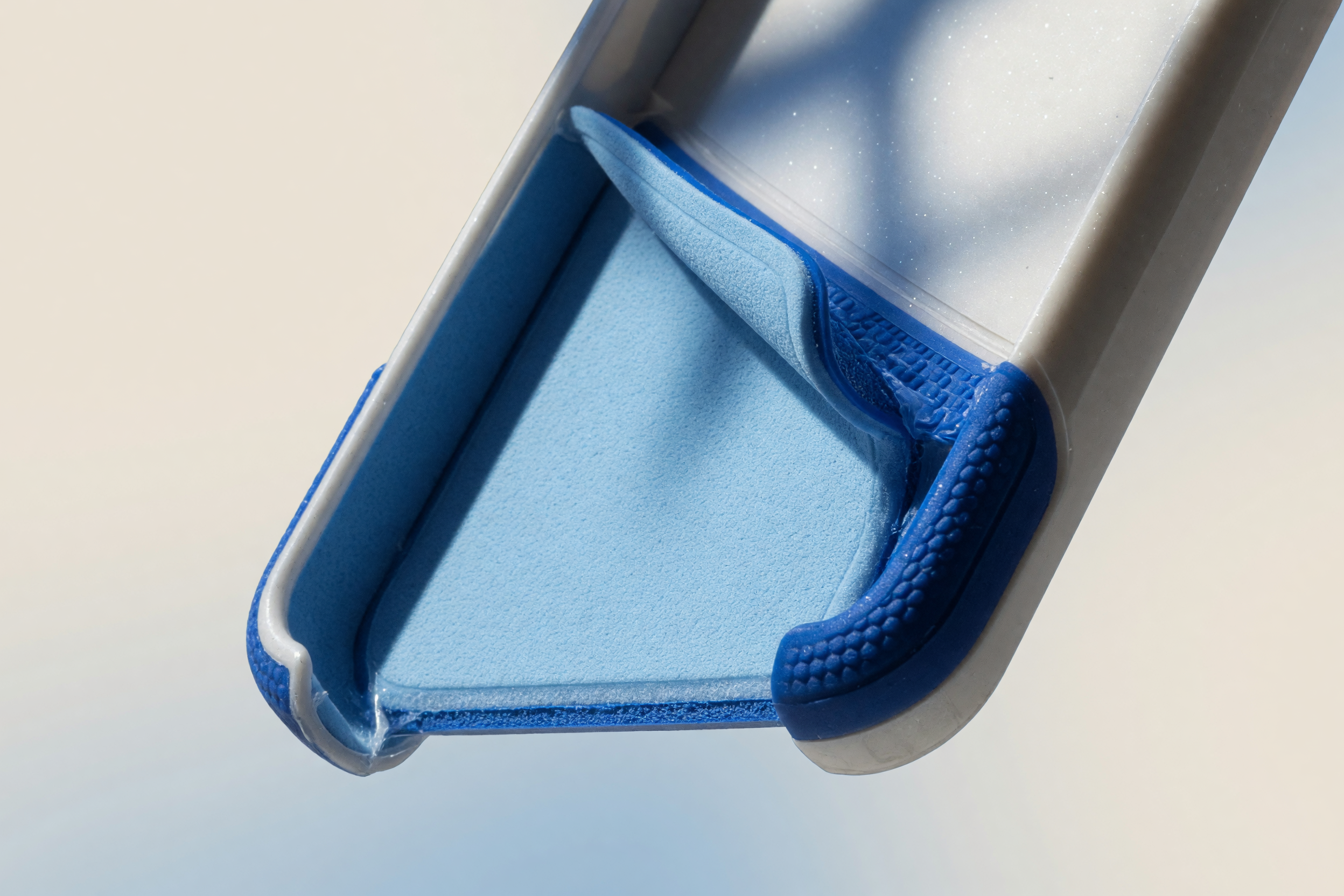
A polycarbonate phone case starts with a rigid thermoplastic that resists scratches and compression. Alone it can crack on sharp corner hits because it lacks flex. When manufacturers bond it to an inner TPU layer the combination becomes far more effective. The soft side absorbs and the hard side spreads force across a wider area.
This is why hybrid PC and TPU designs dominate real-world drop scenarios from four to six feet. Raised bezels protect the screen and camera glass, and many carry military-style ratings based on repeated angle drops. Aramid fiber works the same way but at even lower thickness, sometimes down to 0.6 mm, while staying completely non-conductive so Wi-Fi, 5G, GPS, NFC and MagSafe stay unaffected.
For dual-layer shock protection that stays slim enough for a pocket, the Crave Dual Guard offers a practical polycarbonate-plus-soft-layer build in several colors.
Leather phone case pros and cons for daily carry
Leather phone case options win on look and feel. They develop a personal patina and give a premium hand feel that plastic never matches. Light cushioning is present, yet leather transfers more impact energy directly to the phone than engineered hybrids. It is also porous, so it absorbs moisture, can warp and generally posts lower drop ratings.
Pros include aesthetics, comfortable grip and a sense of quality. Cons include weaker protection, higher maintenance and vulnerability to weather. If style ranks above drop survival, leather works. If you want the best phone case material for protection first, keep leather as a second or dress-up case rather than the primary daily driver.

Best phone case material for drop protection
When the question is which phone case material is best for protection or best phone case material for drop protection, hybrids win. The inner flexible layer (usually TPU) deforms and soaks up energy. The outer rigid layer (polycarbonate or aramid) keeps its shape and spreads the remaining force. Corners receive extra reinforcement in better designs, often called AirGuard-style or multi-layer corners.
Marketing claims frequently cite eleven-foot or even higher ratings under MIL-STD protocols. Those numbers come from controlled drops; real sidewalks and parking lots still reward good construction over pure thickness. A myth worth killing is that thicker always equals safer. A well-engineered 0.6 mm aramid case can beat a bulky single-material soft case because the mechanism matters more than bulk. Conductive materials such as carbon fiber or metal create partial signal shielding and can cut wireless performance, so skip them if you rely on MagSafe or fast data.
Clear hybrid cases that resist yellowing give you the phone’s original look plus solid defense. One strong example is the CACOE magnetic clear case built to stay transparent longer while supporting MagSafe.
Matching the best material for phone case to your lifestyle
What is the best material for phone cases changes with your day. Everyday and casual users who want minimal bulk, reliable wireless charging and decent grip do best with slim aramid or thin PC/TPU hybrids. Rugged and high-risk users (construction, outdoor work, frequent drops) should look for thicker multi-layer hybrids with raised edges and higher stated drop ratings. Grip-focused people in wet or active settings can start with silicone or heavily textured TPU, accepting that replacement may come sooner.
MagSafe and wireless-heavy users need non-conductive materials so charging and signals stay strong. Aesthetic-first buyers can enjoy leather for the patina while keeping a hybrid for travel or rough days. Graphene-reinforced versions add heat spreading without extra size for those who push their phones hard.
A simple decision path:
- List your top two priorities (protection, slimness, grip, looks, wireless).
- Eliminate conductive materials if signal matters.
- Prefer hybrids for balanced best phone case materials performance.
- Check raised lips for screen and camera.
- Plan to replace soft clear cases when yellowing appears rather than waiting for failure.
The bottom line
No single material owns every category, yet hybrid constructions that combine flexible TPU with rigid polycarbonate or aramid fiber deliver the best phone case material results for most people. They manage drop energy better than pure silicone or leather, stay reasonably slim, and avoid the signal problems of carbon fiber. Match the exact build to your drop risk and daily habits, replace when wear shows, and you will keep the phone safer without carrying unnecessary bulk.
For specific models that put these materials to work across iPhone and Galaxy lineups, see our ranked list of the 10 best phone cases at /phone-cases.
Sources
Research for this article drew on the following sources.
We compared the whole category and ranked the ten best. Prices and picks refresh weekly.