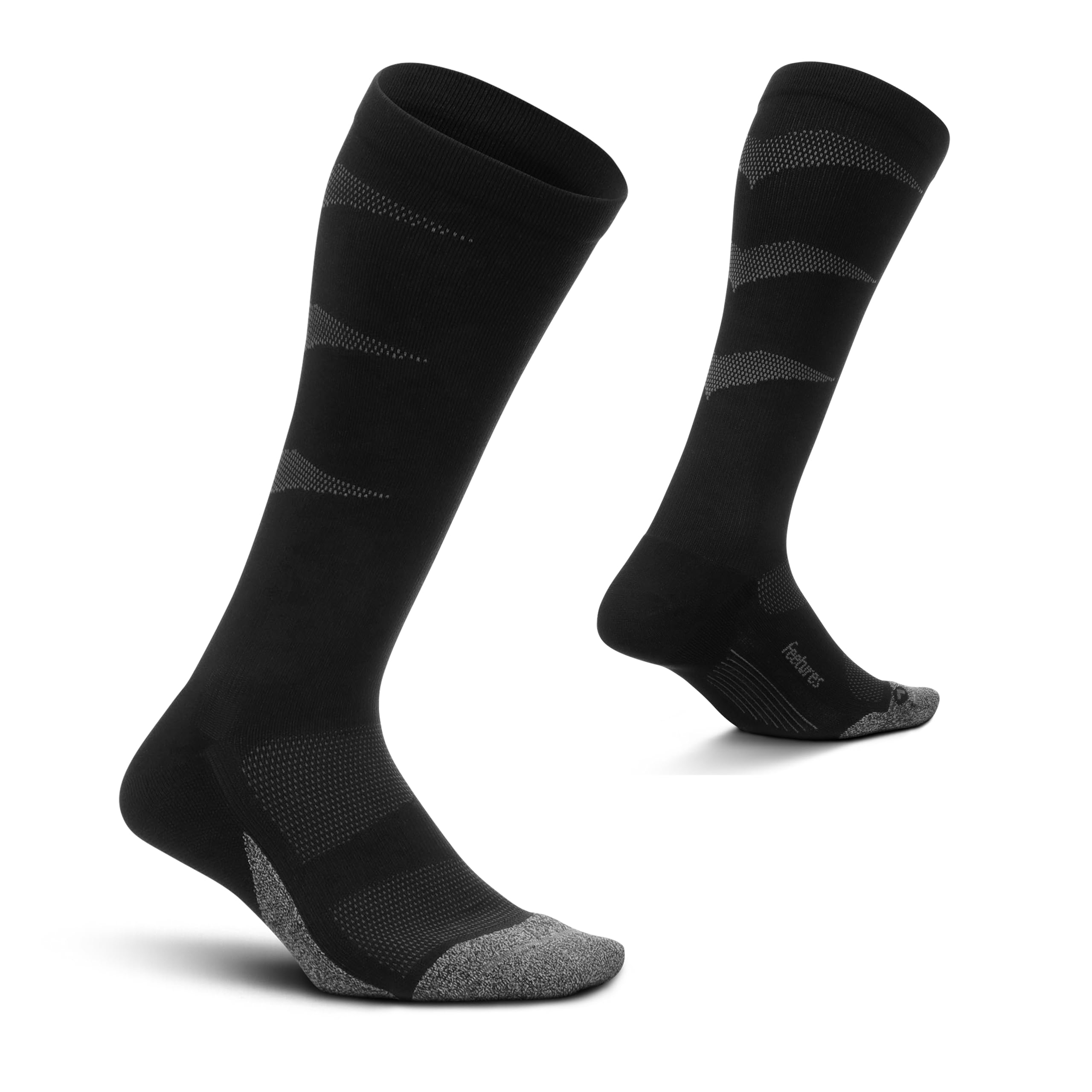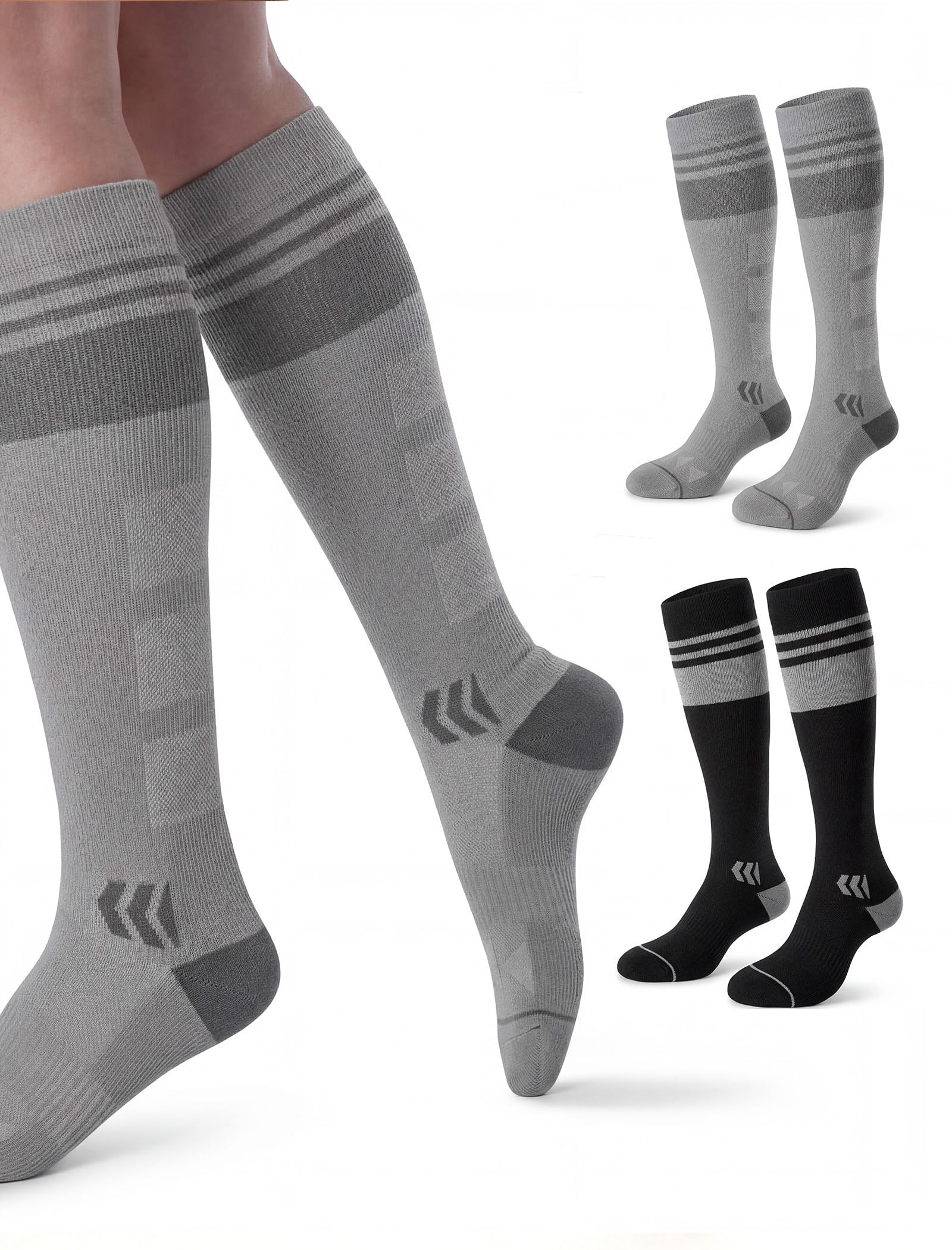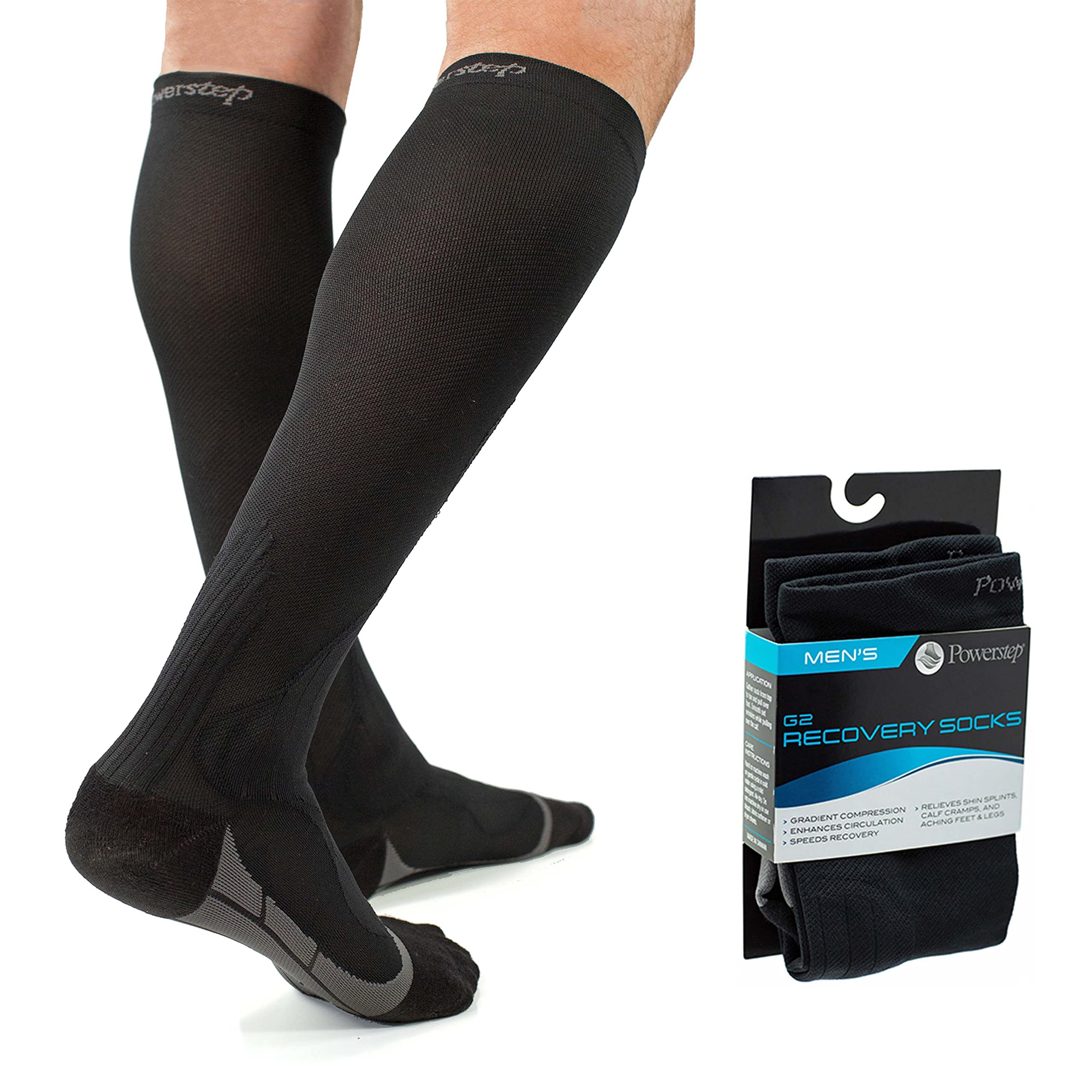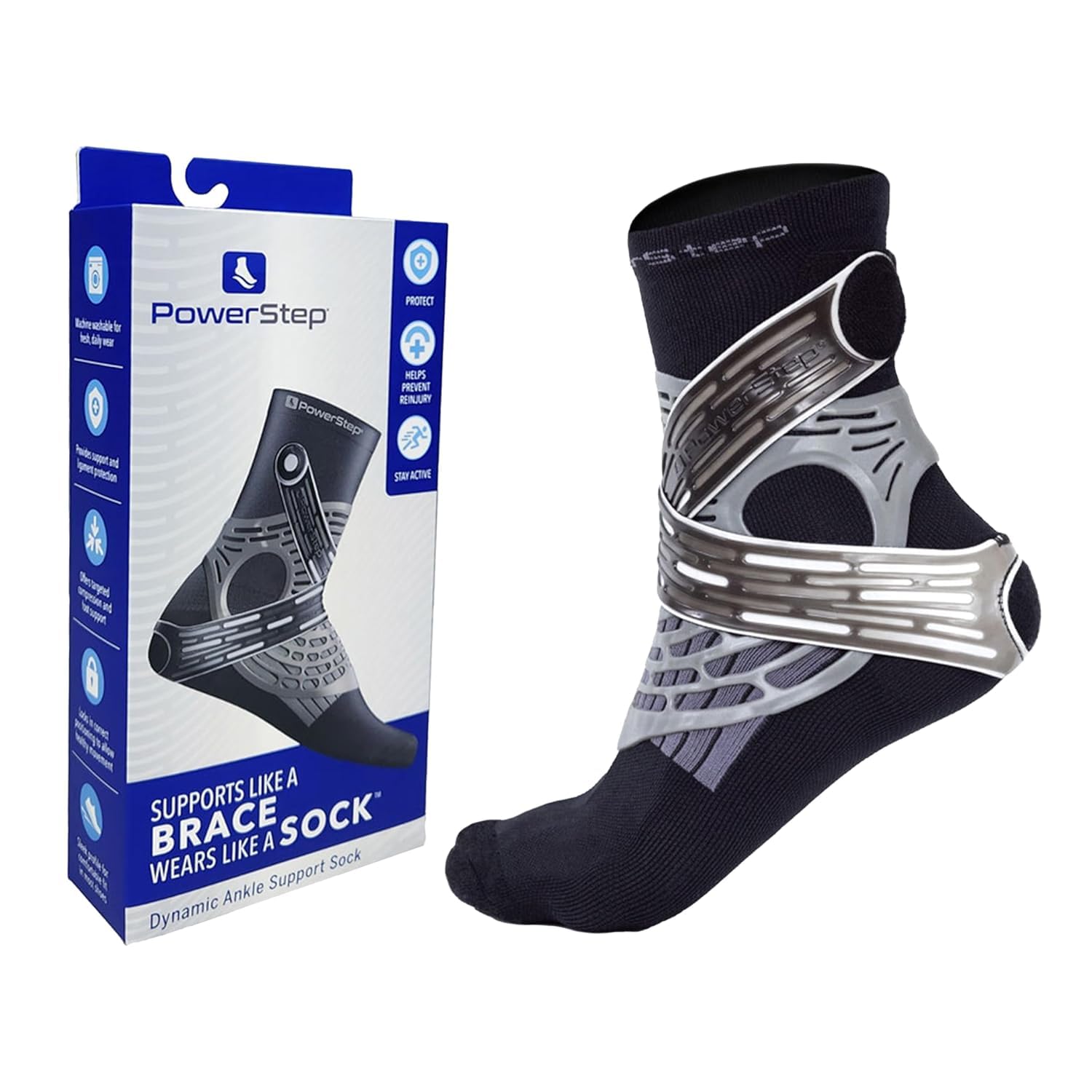


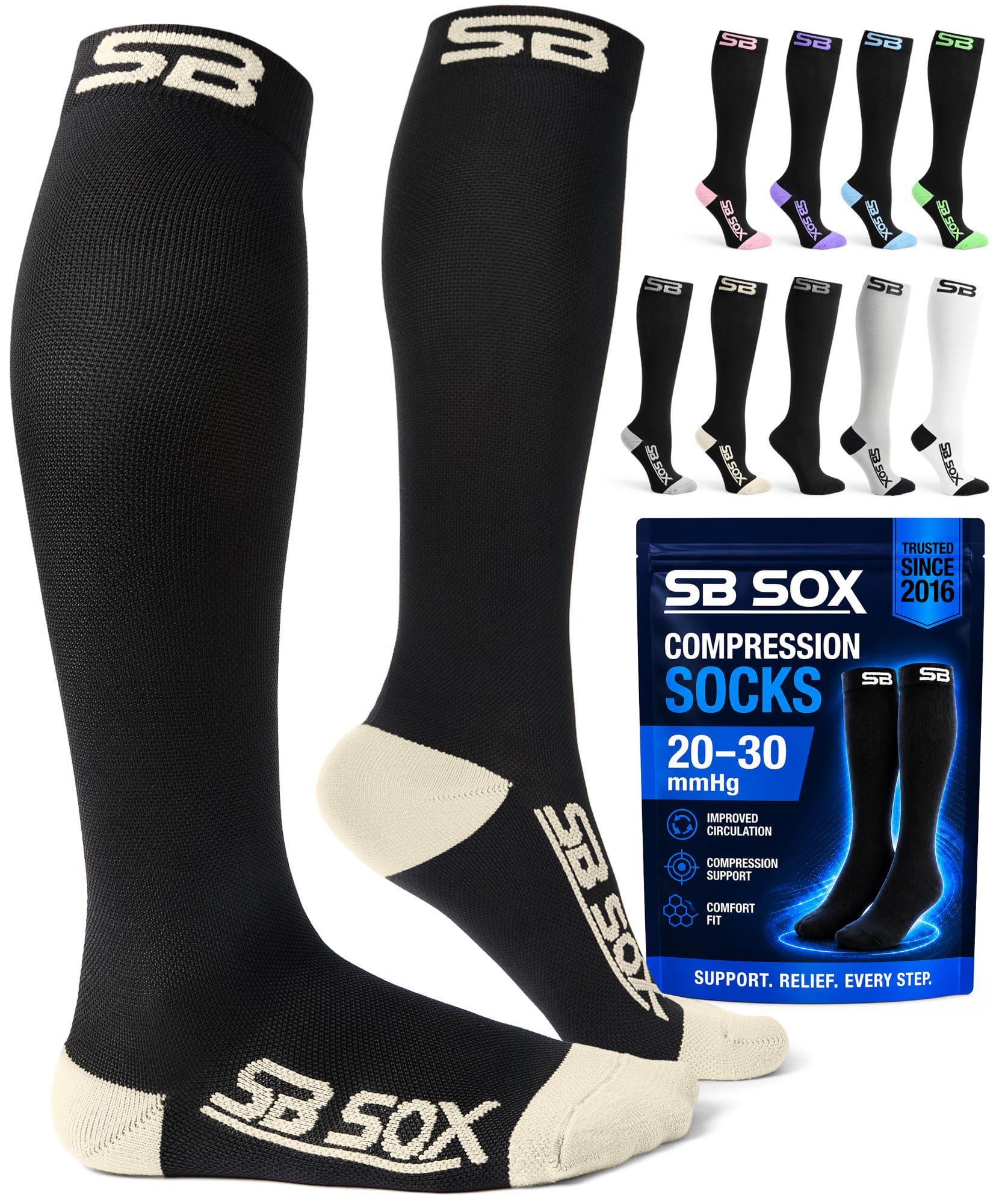
- 20 to 30 mmHg compression gives a firmer support level
- Travel, medical, and sports use are all named use cases
- Large size and black or beige colors keep selection simple
- 20 to 30 mmHg compression
- For travel, medical, sports
- Large in black or beige
This list covers compression socks and related support sleeves for travel, standing, recovery, pregnancy, sports, and foot or ankle pain needs.

★★★★★9.5SB SOX Compression Socks for Men & Women (20-30 mmHg) - Best Support Stockings for Travel, Medical, and Sports - Perfect for Everyday Wear (Large, Black/Beige)
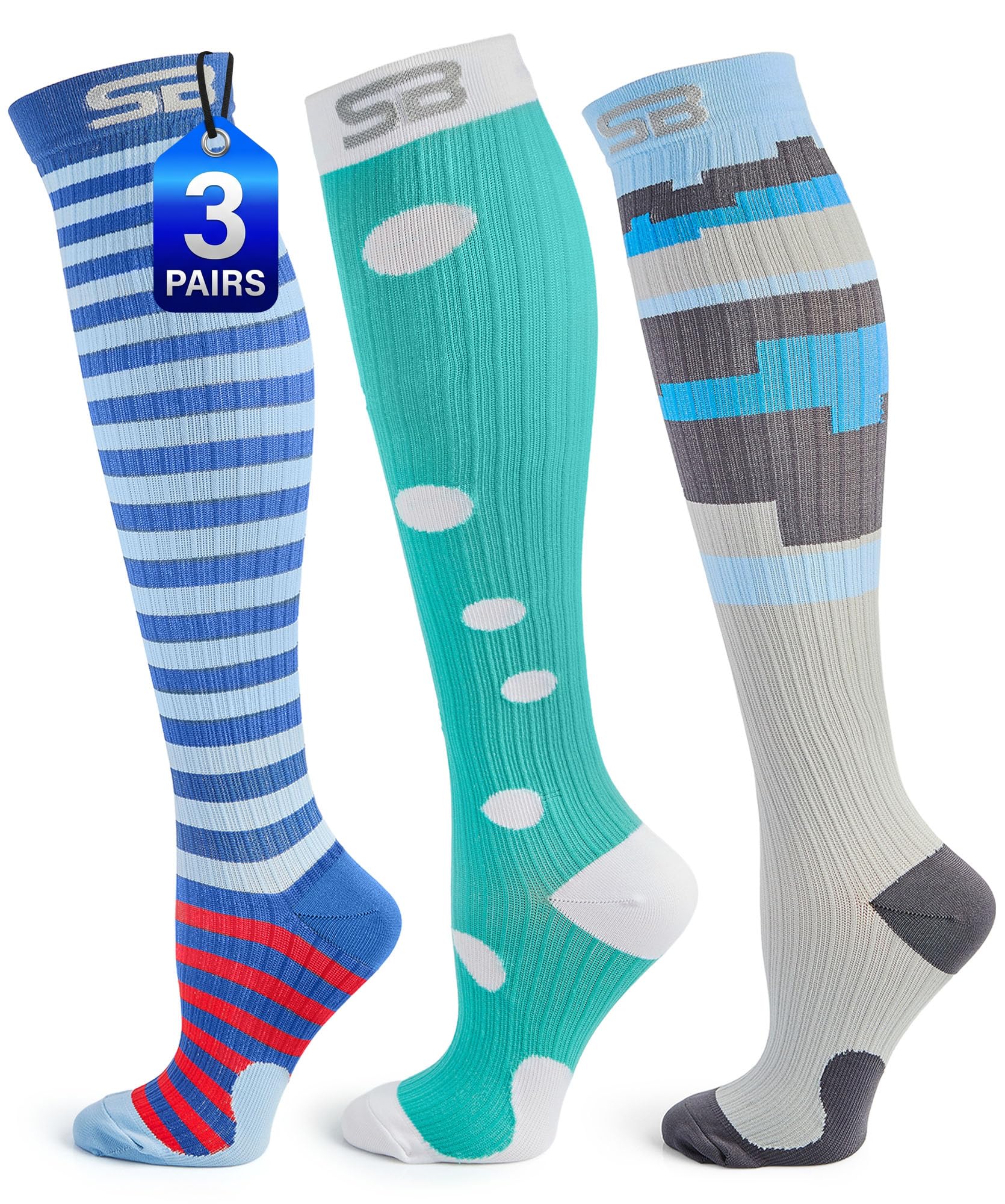
★★★★★9.0SB SOX 3-Pair Compression Socks for Women & Men (15-20mmHg) – Womens Compression Socks for Pregnancy, Maternity, Wide Calf & All Day Wear! (S/M, 07 – Multi-color)


Join 50,000+ smart shoppers getting our weekly picks.
Specs and feature checks are taken from what each product states in its Amazon listing. A dash means the listing doesn't say.
Swipe the table sideways to see every column.
What actually matters when you're comparing compression socks, in plain English.
Compression level matters more than colour or extra features. Lower pressure, often 15 to 20 mmHg, is commonly chosen for everyday wear, travel, and light support. Higher support, such as 20 to 30 mmHg, is usually better for stronger fatigue, swelling, or longer periods on your feet. If you have a medical condition, circulation issue, or are unsure which level to use, check with a clinician before buying.
Knee high socks are the most versatile option for calves, ankles, and general leg fatigue. No show or ankle styles make more sense if you want support inside regular shoes or prefer less coverage. Calf sleeves leave the foot free and can suit runners who want shin or calf support without changing socks. Ankle support socks are more specialised and are best for people focused on ankle stability and recovery.
A poor fit is one of the most common reasons compression wear gets returned or left unused. Check the sizing chart carefully, especially calf circumference, shoe size, and whether the product is made for wider calves or maternity use. Too tight can feel restrictive and hard to put on, while too loose will not deliver steady compression. If you are between sizes, the brand guidance matters more than guessing.
Compression socks vary a lot in how they feel during long wear. Light cushioning can help with comfort inside walking shoes or trainers, while thinner styles may suit dress shoes or tighter footwear. Grip soles are useful if you walk on smooth floors at home, in a hospital setting, or during recovery. Breathability and seam placement also matter, especially if you plan to wear them for work, flights, or exercise.
Compression wear works best when it is kept in rotation and replaced when the fabric loses stretch. If you plan to wear them often, a multi-pair pack can be easier than buying one pair at a time. Wash them gently and avoid harsh drying if the care label warns against it, since heat can reduce elasticity. For frequent travellers or daily wearers, durability and easy laundering are worth more than decorative details.
Products qualify on verified review volume, then rank by that volume weighted with the ReviewFerret score, which combines the star rating, review volume and recent sales onto our 10-point scale. No brand appears more than twice, prices refresh weekly, and no manufacturer can pay for placement. Read our full methodology →