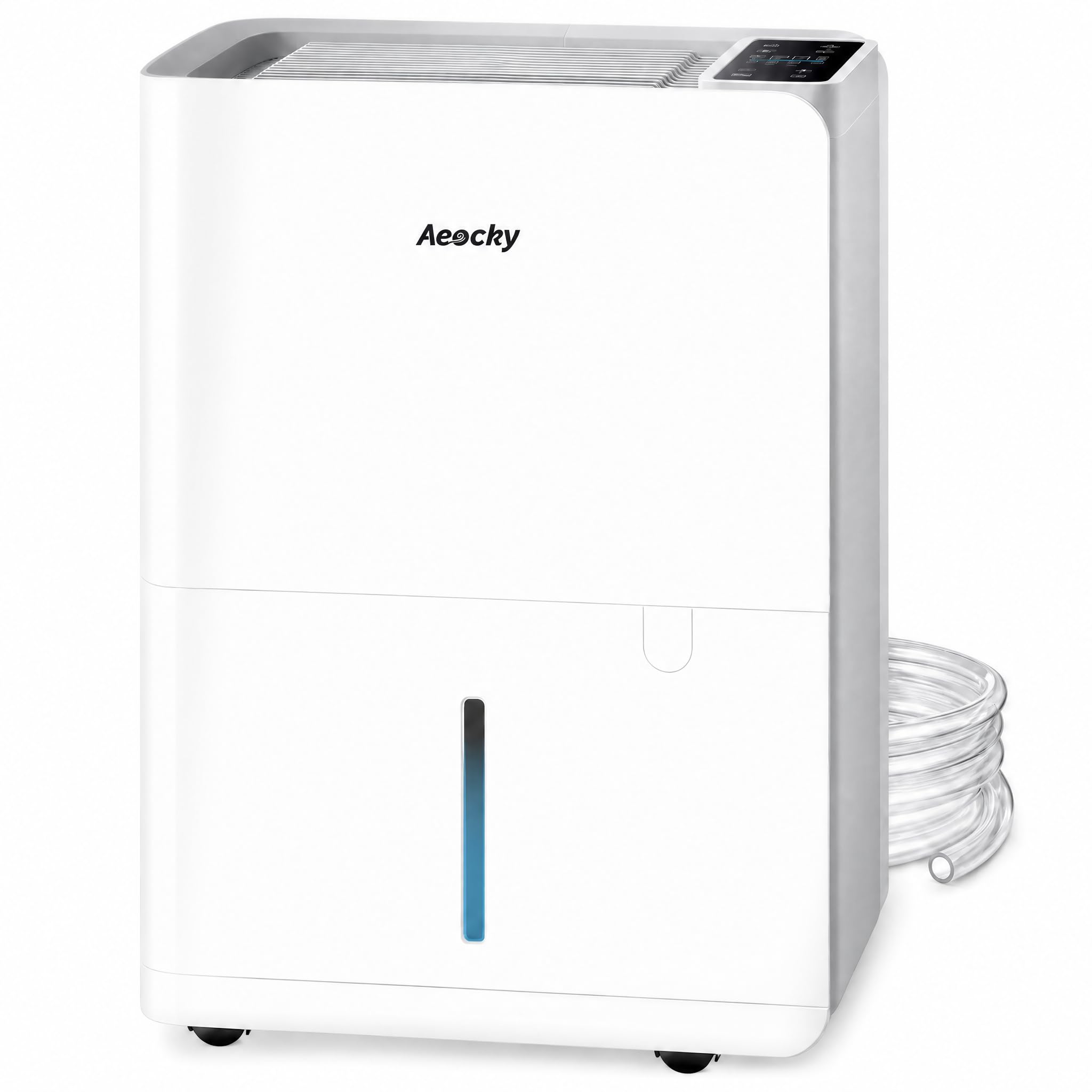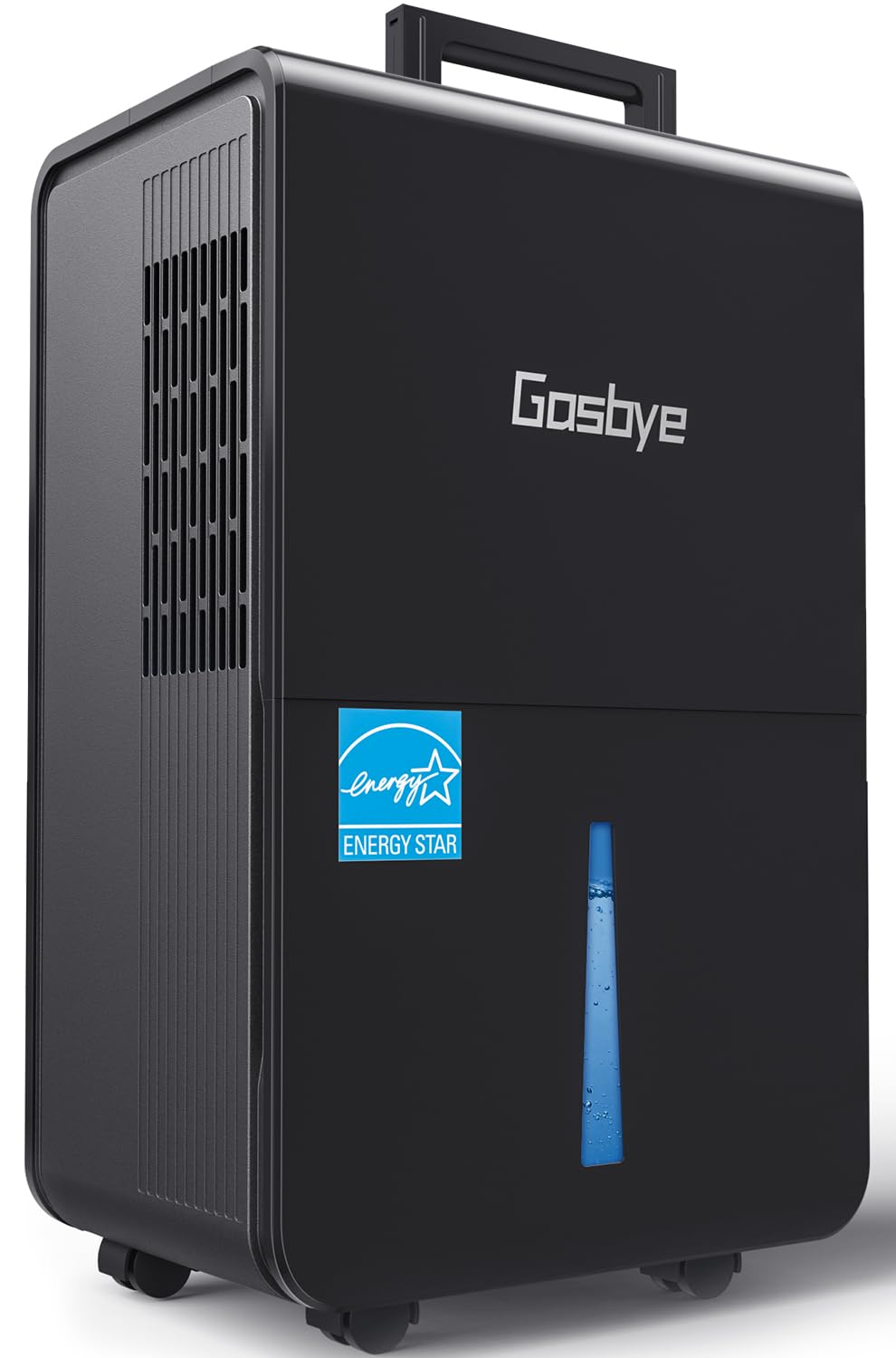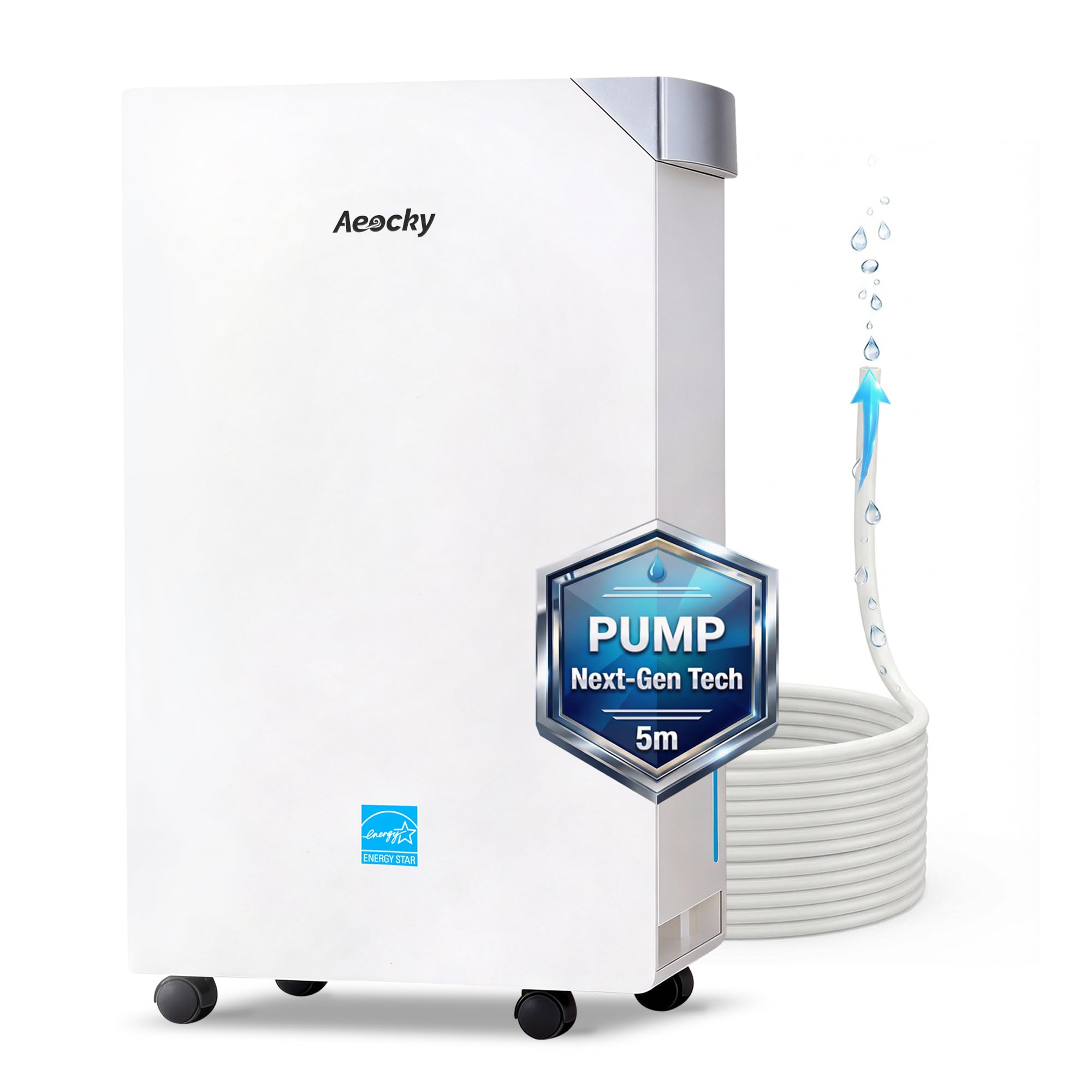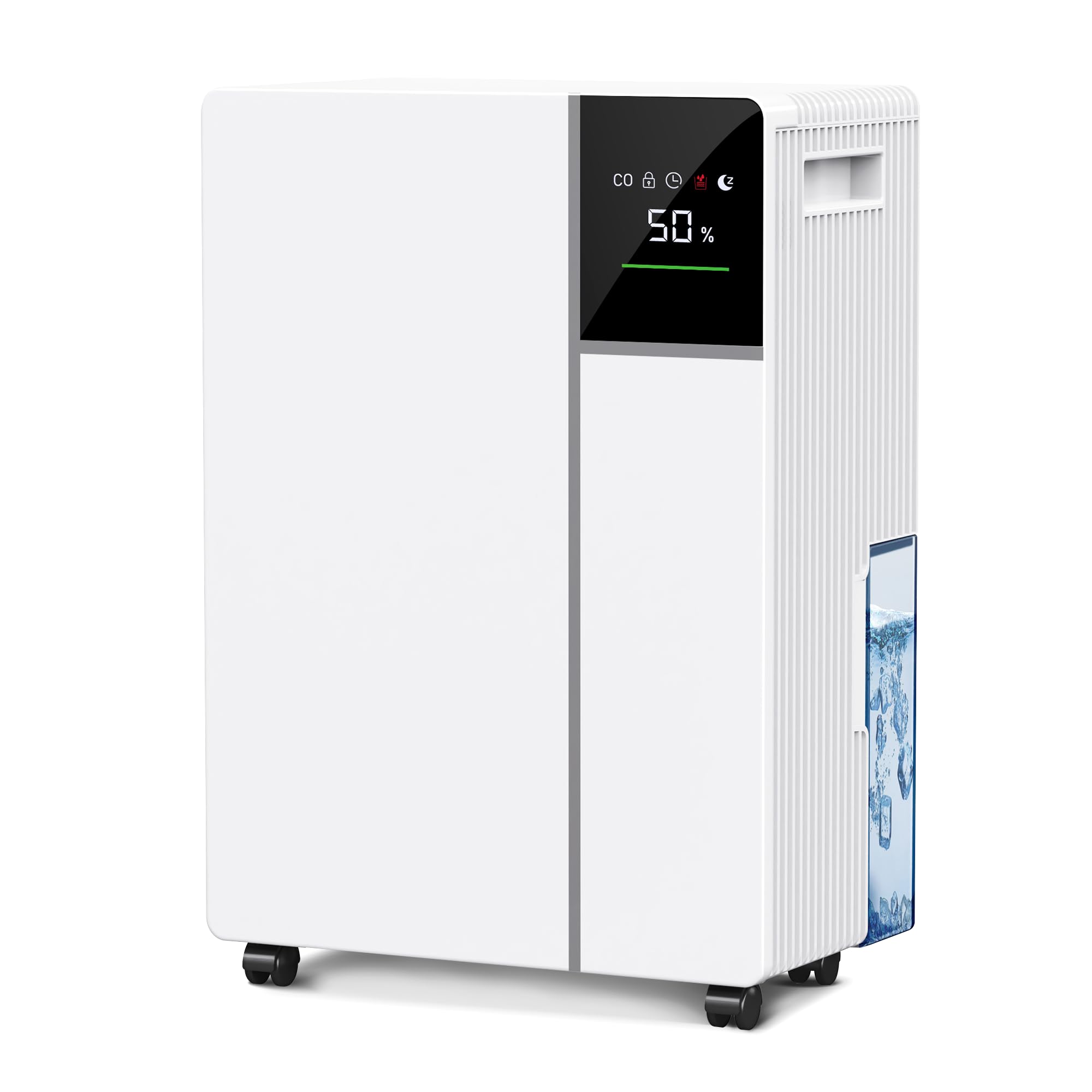


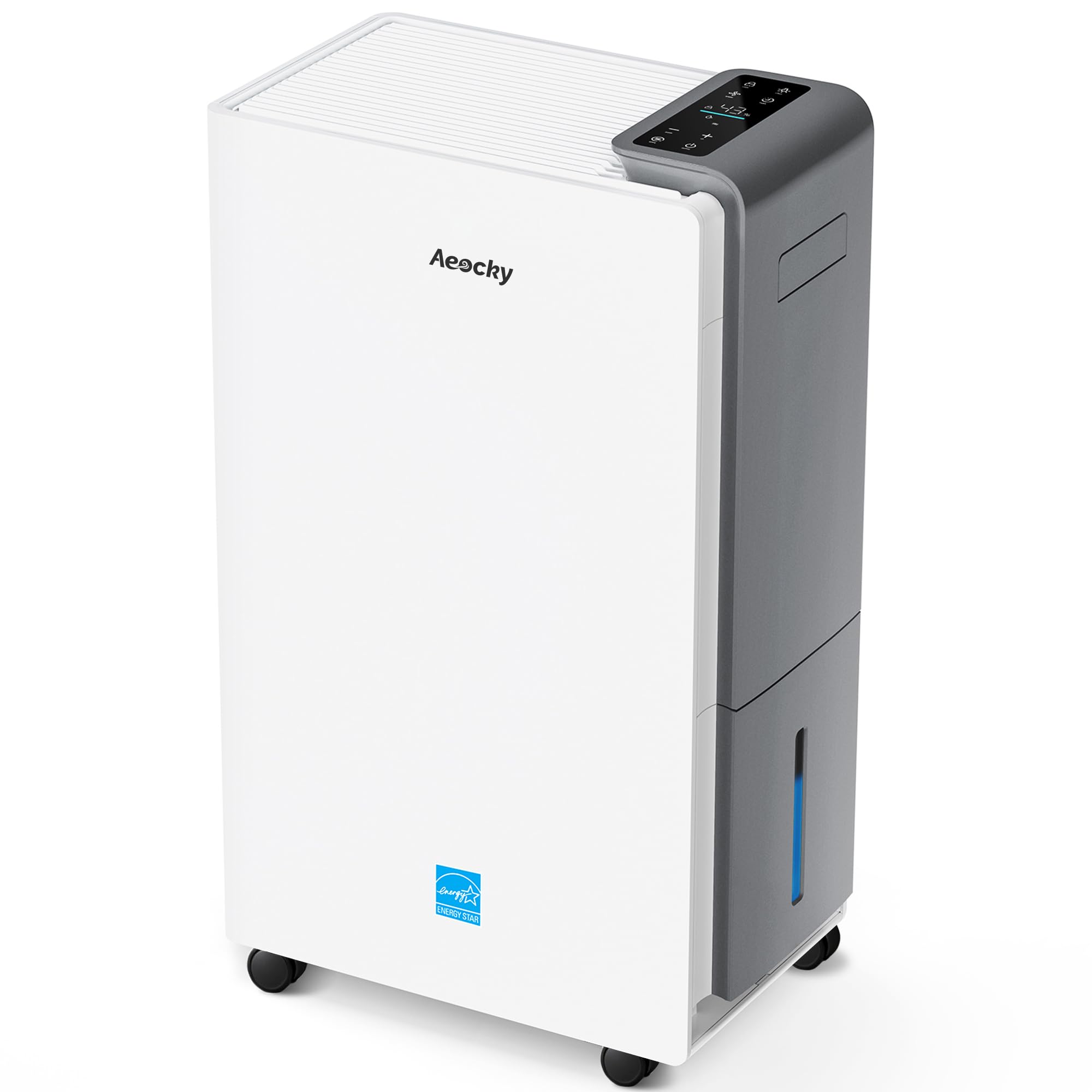
- Wi-Fi dehumidifier with pump
- For home, office, basements
- 50 pint max, 120 pint at 95°F
- Humidity control, auto shut-off
- Wi-Fi dehumidifier with pump
- 50 pint max
- For home, office, basements


This list covers dehumidifiers for basements, whole homes, and smaller enclosed spaces, helping you compare capacity, drainage, controls, and running costs before you buy.

The best dehumidifiers of 2026 is the hOmeLabs Dehumidifier 7,500 Sq Ft 50 Pint with Pump, with a ReviewFerret score of 9.5/10 from 261 verified owner reviews. Shoppers on a budget should look at the Ivation IVADM10 Powerful Small-Size Thermo-Electric Dehumidifier - for Smaller Room, Cupboard, Basement, Attic, Stored Boat, RV, Antique Car,White at $48.99. We ranked 10 products across 6 brands using 47,342 verified reviews, star ratings and recent sales.
We compared every dehumidifier in this category on rating, verified review volume, and price, then kept only the 10 that earned a place. Each pick below links straight to Amazon for the live price.
We start from the full catalogue, keep only products with at least 500 verified reviews, then rank by review volume weighted with the ReviewFerret score (star rating, review volume and recent sales combined onto our 10-point scale). No brand appears more than twice, and nobody can pay for a place. Full methodology →


Join 50,000+ smart shoppers getting our weekly picks.
Feature checks are based on the details each product states in its Amazon listing.
Swipe the table sideways to see every column.
What actually matters when you're comparing dehumidifiers, in plain English.
Dehumidifier capacity should match both room size and how damp the area really is. A basement with musty air, visible condensation, or recurring damp patches usually needs a higher-capacity compressor model, while a closet, bathroom, or boat cabin may only need a compact thermo-electric unit. Oversizing is not wasteful if the area is very wet, but an undersized unit runs constantly and struggles to keep humidity down.
For everyday convenience, a continuous drain hose is one of the most useful features, especially in basements or large rooms. It reduces manual emptying and helps the unit run longer without interruption. If you do not have a suitable drain point, a removable water tank matters more. Shoppers often regret overlooking this, because the best capacity on paper becomes annoying if the bucket fills too quickly.
A built-in humidistat lets the machine cycle on and off to hold a target humidity level instead of running blindly. Timer settings, sleep or quiet modes, and auto shutoff also improve day to day use. For multi-room use or lower maintenance, smart controls can help, but they are not essential if you only need simple moisture removal. Prioritise the controls you will actually use.
Compressor dehumidifiers are the practical choice for most bedrooms, living spaces, and damp basements because they remove more moisture and suit larger areas. Thermo-electric models are quieter and smaller, which makes them useful for cupboards, RVs, boats, and very small rooms, but they are not the right pick for heavy damp. The cheaper unit is not always the better value if it cannot keep up.
A dehumidifier needs clear airflow, so leave space around the intake and outlet and keep doors and windows shut when it is running. Regular filter cleaning, tank emptying if not using a hose, and checking the drain line all affect performance. Running costs usually rise with capacity and runtime, so buying a model that matches the room well is often more efficient than choosing the largest option available.
Products qualify on verified review volume, then rank by that volume weighted with the ReviewFerret score, which combines the star rating, review volume and recent sales onto our 10-point scale. No brand appears more than twice, prices refresh weekly, and no manufacturer can pay for placement. Read our full methodology →