
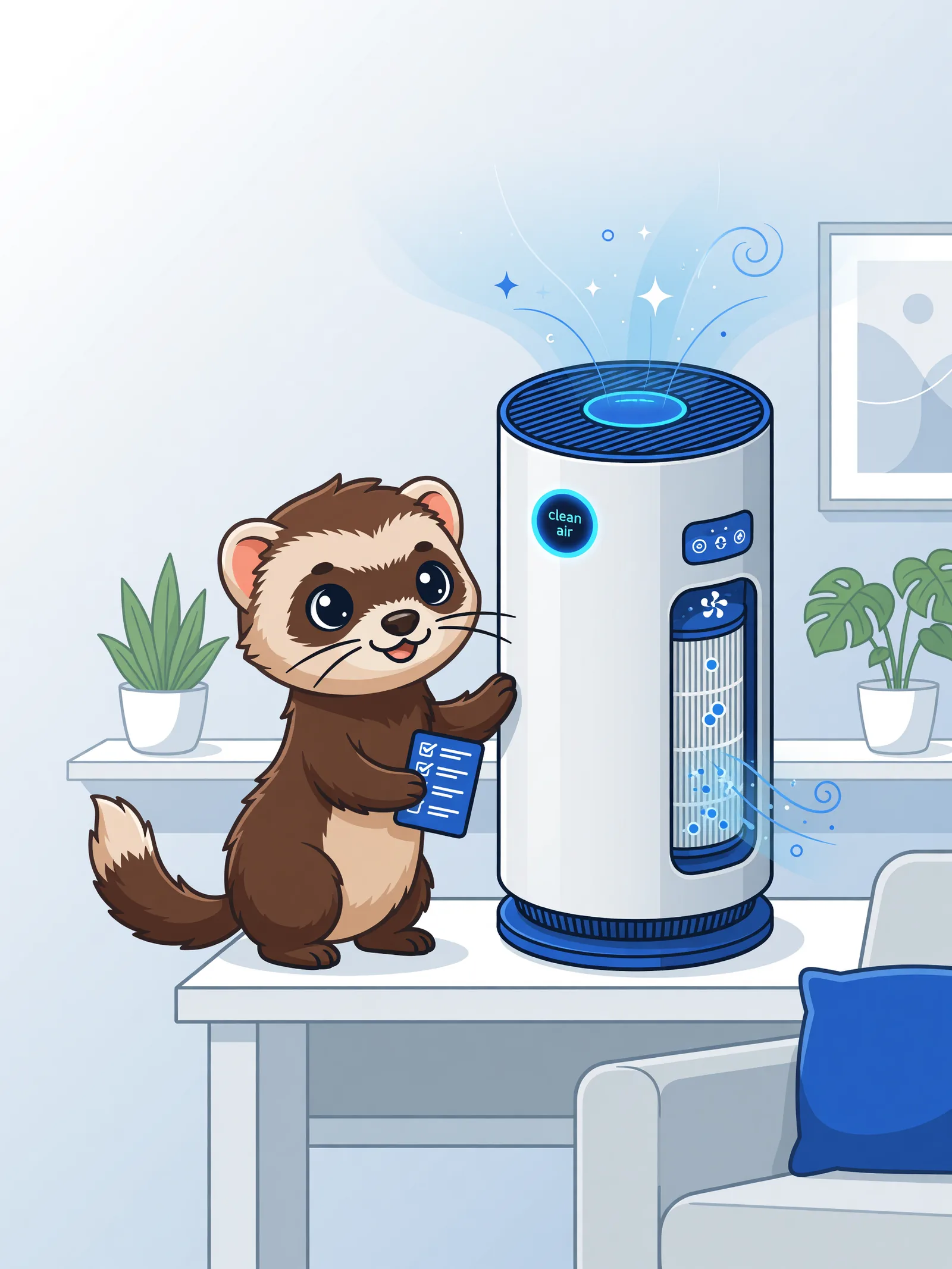
Shoppers comparing filter types often wonder which air purifier is best for real rooms full of dust, pet dander, cooking smells, and seasonal pollen. A true HEPA stage handles the particles, activated carbon targets gases and odors, and smart sensors keep the unit running only when needed. The strongest everyday performer almost always combines all three rather than relying on any single approach.
How a true HEPA air purifier traps particles
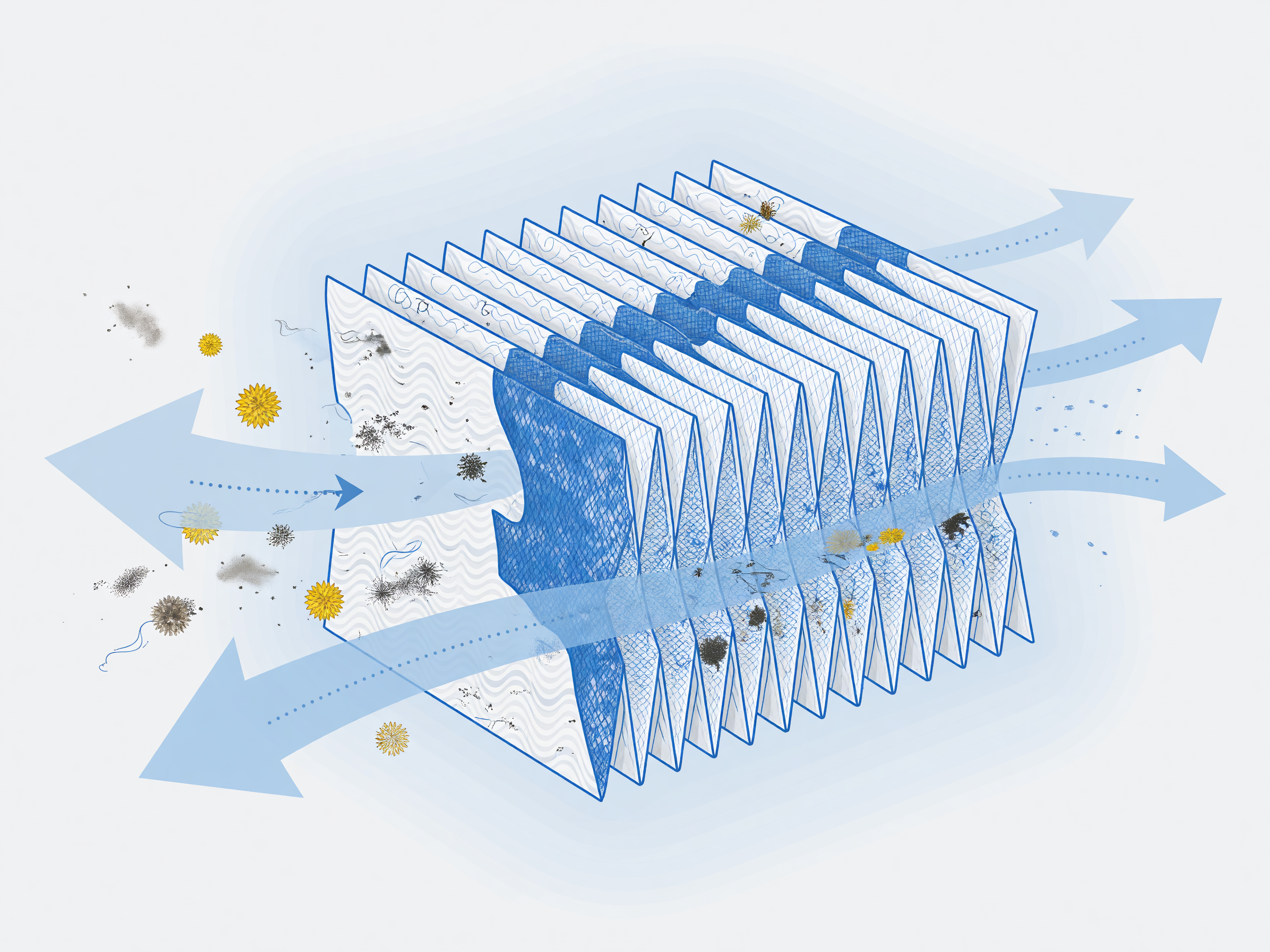
A HEPA air purifier relies on dense, pleated mechanical media. Air is forced through the fibers, where particles stick by interception, impaction, and diffusion. True HEPA (or H13-equivalent) media captures at least 99.97 percent of particles at the 0.3-micron size that is hardest to catch, and it does even better with both larger pollen grains and many smaller bacteria or smoke particles.
Look for the words “true HEPA” or an H13 rating rather than vague “HEPA-type” claims. Lower MERV ratings such as MERV 13 capture far fewer of those fine particles. CADR numbers matter just as much as filter grade: aim for units that deliver several hundred cubic feet per minute so the room gets four to five air changes per hour. Independent hepa air purifier reviews consistently show that verified CADR and genuine true HEPA media separate strong performers from mediocre ones.
For allergy sufferers a dedicated hepa air purifier for allergies is often the first upgrade that brings noticeable relief. One solid large-room option that uses hospital-grade filtration is the PuroAir unit.
What an activated carbon air purifier actually removes
An activated carbon air purifier works by adsorption. Gases, VOCs, and odor molecules stick to the enormous internal surface area of the carbon. Thin fabric pads can freshen light cooking smells, but serious loads of wildfire smoke, pet odors, or chemical fumes need several pounds of pelleted carbon and enough contact time for the molecules to bind.
Carbon does almost nothing against dust or pollen, which is why a carbon-only unit leaves particle problems unsolved. Effectiveness scales with carbon mass and quality, not with marketing language. When you need the best air purifier for odors and particles at the same time, the carbon bed must sit behind or in front of a true HEPA stage so each pollutant type meets the right media.
Smart air purifier sensors and auto mode
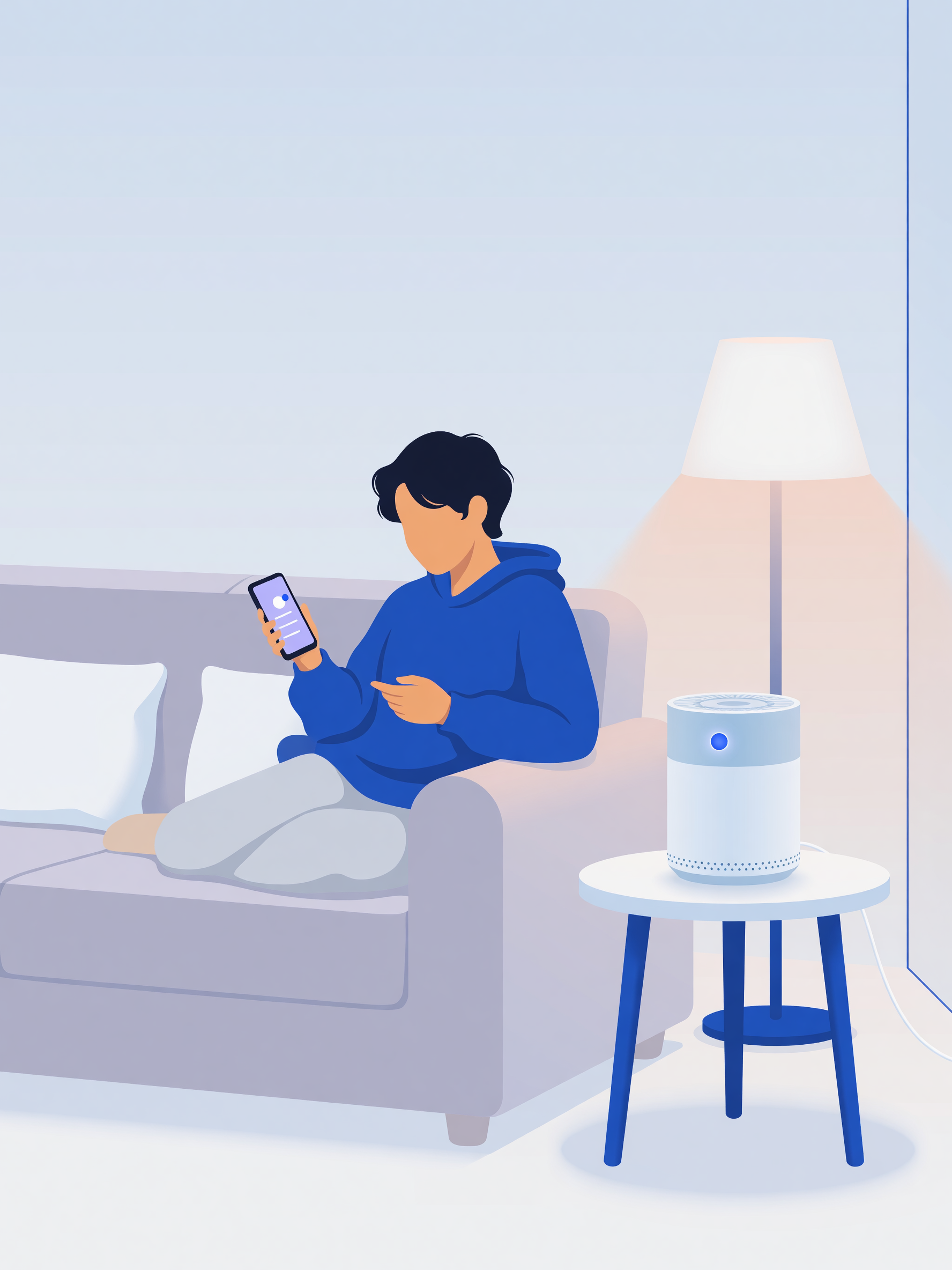
A smart air purifier adds laser particle sensors, sometimes VOC detection, app connectivity, and automatic fan control. These features do not clean the air by themselves. They simply read the room and raise fan speed when cooking smoke or dust spikes, then drop back to a quiet low setting once levels fall. That behavior saves energy and noise while still protecting air quality.
Many current models pair the sensors with a companion smart air purifier app that lets you check PM readings, set schedules, or lock the controls. The best smart air purifier designs keep the electronics secondary to strong filtration media. If the filters are weak, the app simply reports poor performance more conveniently.
HEPA vs carbon air purifier: a direct comparison
The hepa vs carbon air purifier debate is really a false choice for most homes. Here is how the two technologies stack up when you look at carbon filter vs hepa side by side:
- Particle removal (dust, pollen, smoke solids, dander): true HEPA wins decisively.
- Gas and odor removal (VOCs, cooking fumes, wildfire smell): activated carbon is essential.
- Speed of cleaning a room: driven by CADR and fan power, not by filter chemistry alone.
- Filter life: HEPA typically lasts about a year; carbon life ends when odors break through.
- Noise and energy: both can be quiet and efficient when paired with good motor design and auto mode.
Which is better HEPA or carbon air purifier? Neither, if used alone. The HEPA vs carbon filter air purifier question is best answered by buying an air purifier with HEPA and carbon in one chassis. That combination is the practical best type of air purifier for mixed household pollution.
Why the best air purifier usually combines both filters plus smart controls
Independent testing from major labs and review sites keeps pointing to the same conclusion: a true HEPA stage plus a substantial activated carbon bed, managed by sensors and auto mode, outperforms any single-technology machine. Units that clear dust, pollen, and smoke at every fan speed while also reducing odors earn the highest marks year after year.
CADR should match your room size so you reach four or five air changes per hour. Noise on the lowest setting should stay under library levels if the purifier will run in a bedroom. Annual filter cost and easy replacement matter more than flashy extras. When those basics are covered, the addition of a smart air purifier app simply makes daily use more convenient.
A well-reviewed compact model that already pairs solid particle and odor filtration is the Levoit Core unit, frequently chosen for bedrooms and offices.
Matching filtration to your biggest air problems
Different homes need different emphasis. Use this quick checklist to decide where to focus:
- Allergies, asthma, dust, or pollen: prioritize true HEPA and high verified CADR.
- Cooking smells, pets, or chemical odors: demand thick activated carbon, not a thin sheet.
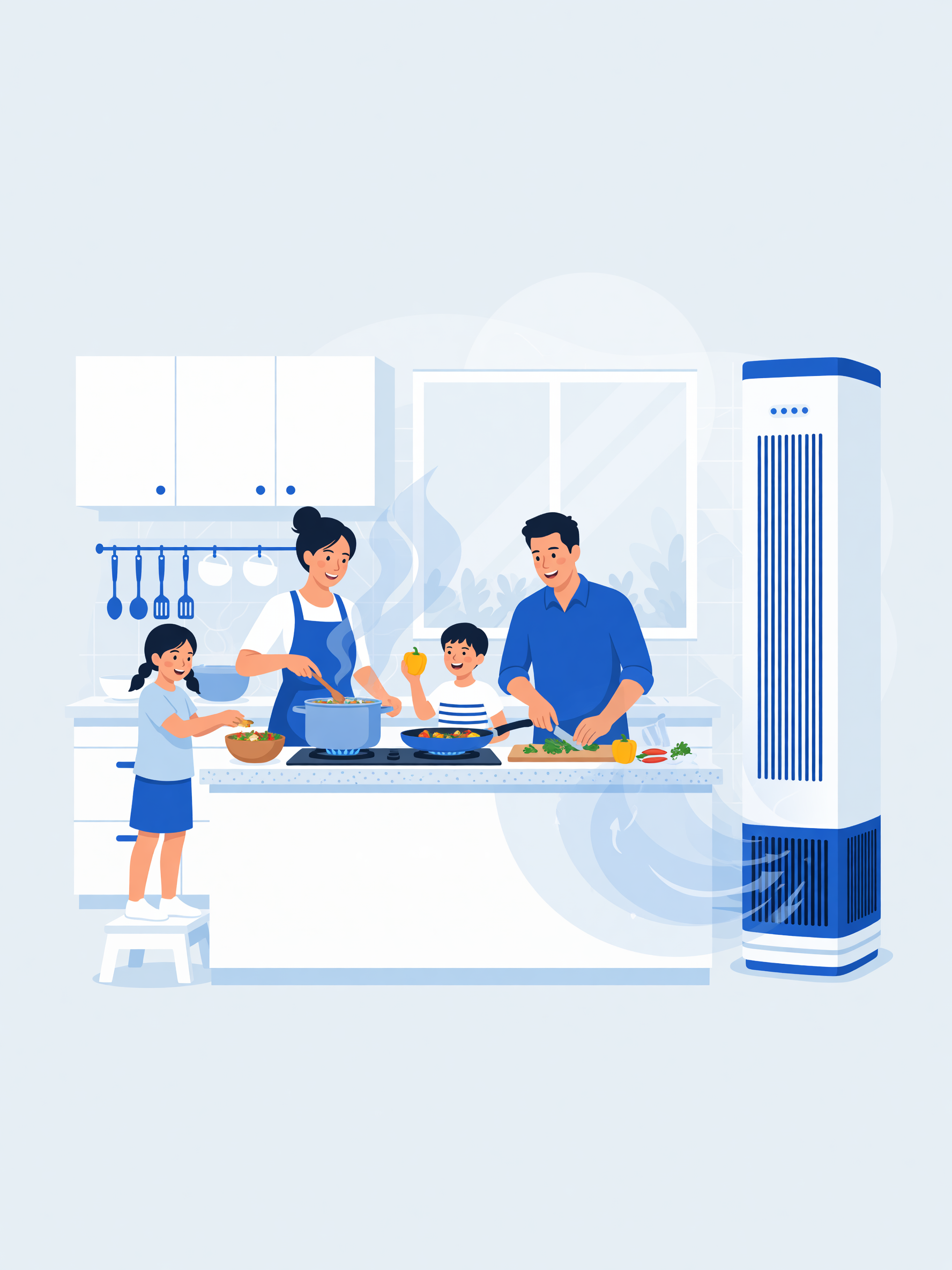
- Wildfire season or heavy smoke: choose the best air purifier for smoke that lists both high smoke CADR and substantial carbon.
- Large open spaces: step up to higher CADR or run more than one unit.
- Quiet nights and energy savings: look for auto mode and a reliable smart air purifier app.
- General everyday air: an air purifier with HEPA and carbon plus basic sensors covers most bases.
For a bedroom that needs quiet overnight cleaning and light odor control, a compact three-stage Levoit model is a practical starting point.
Common mistakes that waste money
Many buyers assume any filter labeled HEPA or carbon is enough. Verify true HEPA performance and actual carbon weight. Undersized units never deliver the air changes needed, no matter how good the media. Ionizers, UV lamps, and ozone generators add little proven benefit for room air and can introduce new risks; stick to mechanical filtration. Skipping filter changes lets captured pollutants re-enter the room. Finally, leaving a unit stuck in auto mode during heavy pollution events can keep the fan too low; switch to high speed manually when smoke or dust is obvious.
Specs that actually predict real-world results
Focus on a short list of numbers and features rather than marketing claims:
- True HEPA or H13 media
- Activated carbon measured in pounds when odor control matters
- AHAM-verified CADR high enough for your square footage
- Four to five air changes per hour as the design target
- Noise under 50 dBA on sleep or low speed
- Sensible annual filter cost
- Optional but useful: accurate particle sensor and app control
One larger-room model that adds WiFi scheduling and H13 filtration is worth considering when coverage and remote control both matter.
The bottom line
The best air purifier is almost never a pure HEPA air purifier, a pure carbon filter air purifier, or a gadget that only calls itself smart. It is a well-built machine that stacks true HEPA media for particles, enough activated carbon for gases and odors, and sensors that keep the fan honest. Match CADR to your room, keep filters fresh, and you will see clear drops in dust, allergens, and smells. For side-by-side rankings, full spec comparisons, and current prices on the models that meet these standards, see our full guide to the 10 best air purifiers at /air-purifiers.
Sources
Research for this article drew on the following sources.
We compared the whole category and ranked the ten best. Prices and picks refresh weekly.